Unknown's avatar

The Footsteps of Giants

The Oracle Will See You Now.

The Oracle Will See You Now.


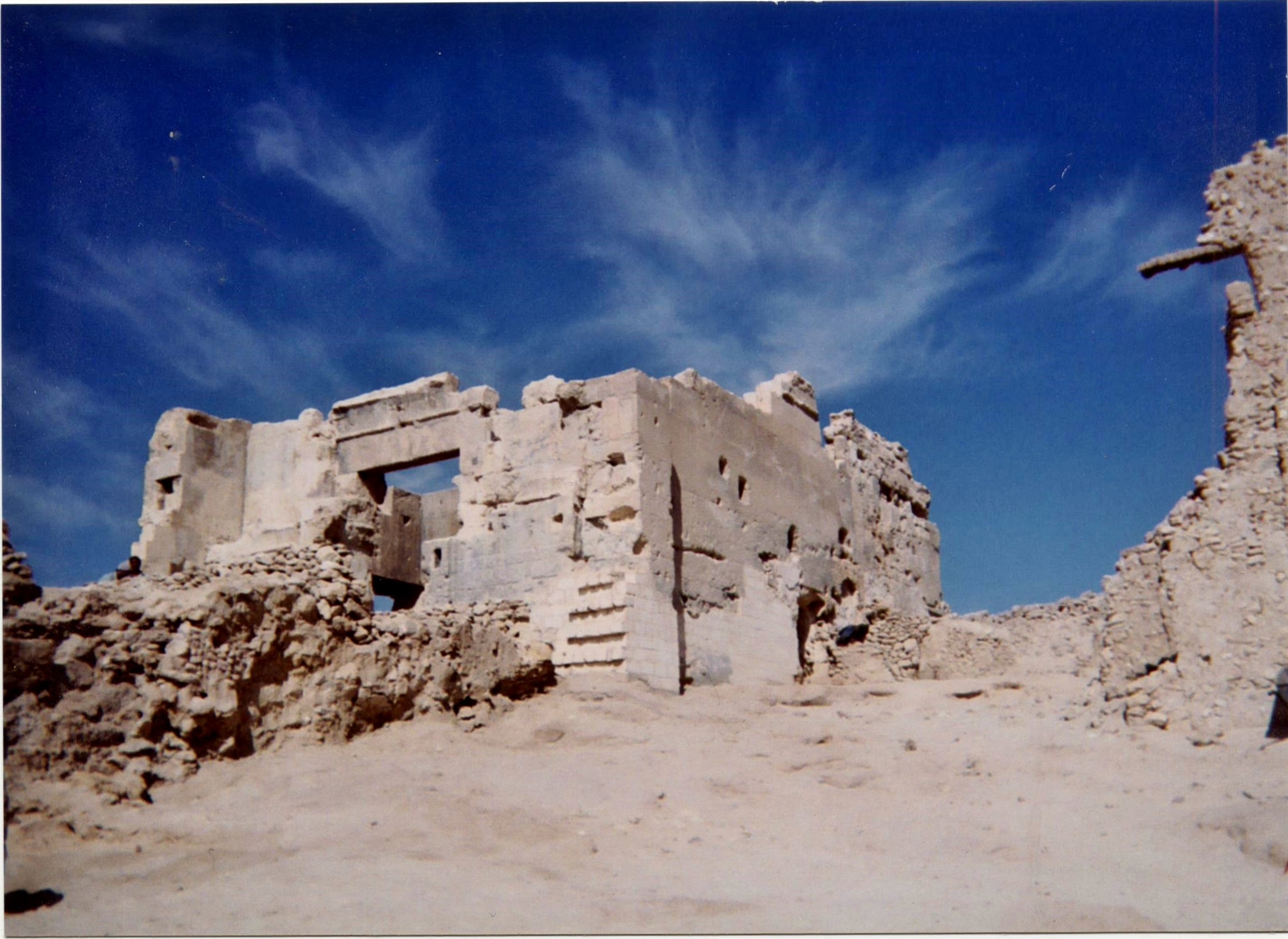
In 331 B.C., Alexander III of Macedonia journeyed from a new city on the Mediterranean coast of Egypt, a city that would soon give rise to one of the seven ancient wonders of the world, and which three-hundred years later would provide the last gasp refuge for Mark Antony and Cleopatra against the onslaught of the first Roman emperor, Augustus.

Modestly dubbed Alexandria by the conqueror of the known world, he walked through roughly 300 miles of barren desert from the city to the Siwa oasis, home of the Oracle of Amun, who promptly (one can only assume it was prompt, what with the conquerer of the known world showing up on your doorstep in the middle of the Sahara desert) informed Alexander he was the son of Zeus, a child of the Gods, helping to solidify his rule in Egypt. And providing a bit of an ego boost, I would imagine.

No simple task given the failure roughly two-hundred years earlier by the King of Persia, Cambyses the Second, son of Cyrus the Great and predecessor to Darius I, who himself gained fame by beginning a campaign of retribution against the Greek armies of Athens and Sparta, among others, and who died before the ultimate defeat his empire suffered not long after led to the rapid Hellenization of the world and much, much later to this:

Anyway, Cambyses II took his own palm reading from the oracle badly (history is unclear on exactly why the temple needed to be razed to the ground, but my money says the oracle made gentle, good-natured fun of Cambyses the Second’s name and lineage, and there was, as the ancients were often wont to do, a bit of an overreaction) and sent an army of 50,000 men to destroy the temple. To a man, they were lost in the swirling sand storms, becoming a legend, a historical question mark that passed through the ages and also led much, much later to this, if a little indirectly:


Continue reading
Unknown's avatar

Yes, it’s a dump. But in a good way. Sort of.

Skopje

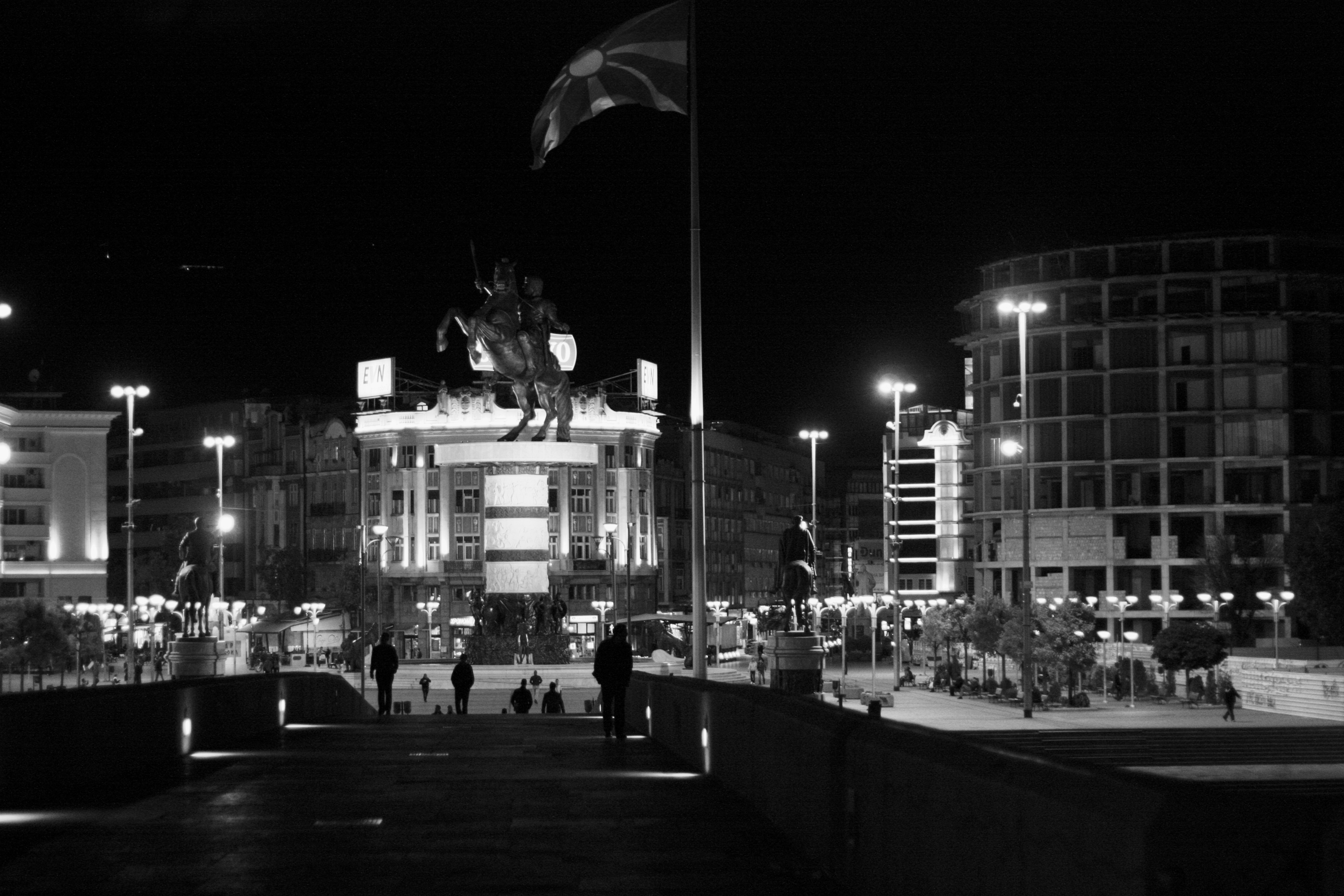
Skopje


Skopje is a bit of a dump. There has to be a more delicate way to describe a city with some of the most impressive statues I’ve ever seen, great food, a huge and hugely impressive old bazaar and uniformly friendly people save for one jerky cab driver who overcharged me and then got pissy when I brought the subject to his attention because I was an American and could easily afford it, but when push comes to shove, sometimes the simplest terms are the best at conveying the reality before us.
Continue reading

Unknown's avatar

Of course it feels European. It’s in Europe.

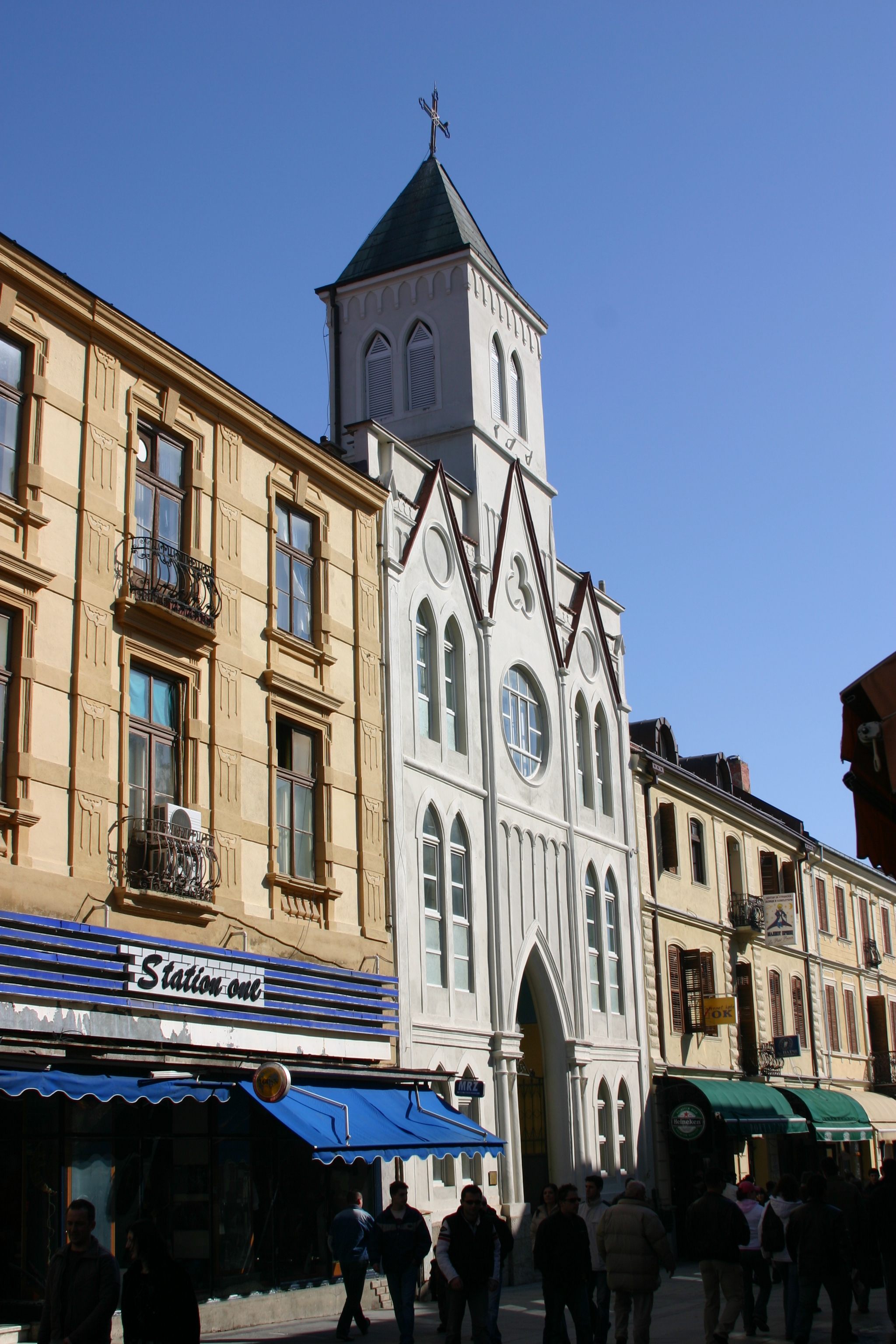
Catolic_church_bitola
Bitola is a gorgeous little town in southern Macedonia, though little is a relative term in describing the second largest city in the country. Roughly three hours from Skopje by bus, the ride there was largely uneventful save for the brief stop at a gas station/convenience store in which Ferda took the opportunity to hop off and stretch her legs, but failed to return before the bus began to pull out of the station. I did my best to yell in Turkish and English, and it was either that or my wild gesticulations that stopped the driver from leaving her stranded in the middle of Macedonia. He also very graciously arranged a taxi to our hotel, speaking with the driver on our behalf once we’d arrived in the outskirts of Bitola.

The highlight of the city for me was seeing the ruins of the ancient city of Heraclea Lyncestis, founded by Alexander the Great’s father Philip II of Macedon in the middle of the fourth century BC. Most of the relics, buildings and monuments still standing are from the Roman era several centuries later. The amphitheater is especially impressive, in excellent condition, so much so that performances still take place there during the summer. There were also a number of truly spectacular mosaics left from the Byzantine era, but photographs were unfortunately not allowed.
Continue reading